Gamification in Education: Making Learning More Interactive
Learning does not have to be limited to textbooks, lectures, and traditional assignments. By introducing game-inspired elements such as challenges, rewards, teamwork, and progress tracking, educators can make lessons more engaging and encourage students to take a more active role in their learning. Gamification is becoming an increasingly popular approach across different educational settings, from primary school classrooms to university programs and outdoor activities.
This guide explores what gamification in education involves, how it can support the learning process, which game mechanics work best, and how digital and location-based experiences can take learning beyond the classroom.

What Is Gamification in Education?
Gamification in education means applying elements commonly found in games to learning activities. These can include points, badges, levels, leaderboards, quizzes, missions, and progress indicators. The goal is not to turn every lesson into a game, but to make educational activities more interactive, rewarding, and motivating.
It is also useful to distinguish gamification from game-based learning. Game-based learning uses complete games as educational tools, while gamification adds selected game mechanics to existing lessons, exercises, and learning programs. For example, students might earn points for completing a language quiz or collect badges as they progress through a science course.
Both approaches can support education, but gamification offers a flexible way to introduce interactive elements without changing the entire structure of a lesson.
Why Gamification Makes Learning More Engaging
When students can see their progress, work toward clear goals, and receive feedback along the way, learning can become a more active experience. Well-designed gamification can support several important aspects of education.
Greater Motivation and Participation
Points, achievements, and challenges give students additional reasons to participate. Breaking a larger task into smaller goals can also make difficult subjects feel more manageable. Instead of simply completing an assignment, learners have a clear objective and can see how each activity brings them closer to it.
Better Knowledge Retention
Interactive quizzes and short challenges encourage students to recall and apply information rather than simply read or listen to it. Immediate feedback helps learners recognize mistakes, understand unfamiliar concepts, and try again while the material is still fresh.
Teamwork and Communication
Group missions, collaborative tasks, and team competitions encourage students to share ideas and work toward common goals. These activities can help develop communication, cooperation, and problem-solving skills alongside subject-specific knowledge.
Learning at Different Skill Levels
Gamified activities can be designed with different levels of difficulty, allowing students to progress at a suitable pace. Beginners can focus on foundational tasks, while more advanced learners can take on additional challenges. This flexibility can make activities more accessible to groups with different abilities and learning styles.
Gamification in the Classroom: Game Elements That Work
Successful classroom gamification starts with a clear educational purpose. Simply adding points or a leaderboard does not automatically make a lesson more effective. The selected mechanics should support the subject being taught and encourage meaningful participation.
Points and progress tracking help students understand how far they have progressed and which tasks they still need to complete. They can be used for quizzes, homework, classroom participation, or longer learning programs.
Badges and achievements recognize specific accomplishments. Students might earn recognition for mastering a topic, completing a series of exercises, contributing to a group project, or demonstrating particular skills.
Quizzes and interactive challenges turn revision into an active activity. Teachers can use timed questions, knowledge tests, and problem-solving exercises to reinforce recently covered material.
Stories and missions give learning activities a clear context. A history lesson, for example, could be structured around a fictional investigation, while a geography assignment could ask students to complete a series of exploration tasks.
Team-based activities encourage students to cooperate instead of focusing only on individual results. Shared objectives can make classroom exercises more social and create opportunities for students to learn from one another.
The most effective approach is to choose mechanics that fit the learning objective rather than introducing every available game element at once.
Beyond the Classroom: Learning Through Outdoor Adventures
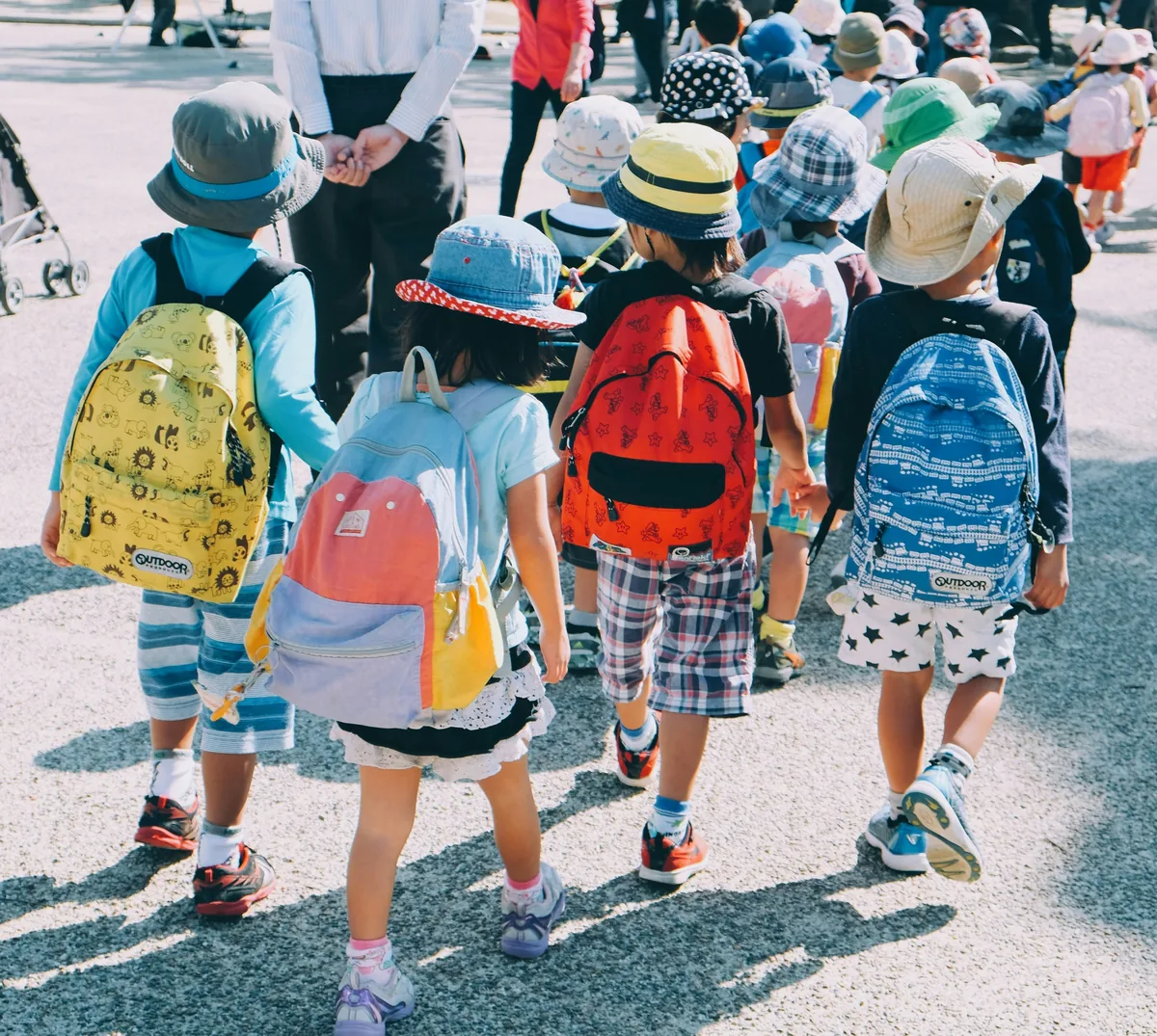
Gamification can also transform educational activities outside traditional learning environments. School trips, university campus activities, nature studies, and visits to historical locations offer opportunities to connect theoretical knowledge with real-world experiences.
Location-based learning takes this approach further by connecting challenges to specific physical places. Students can visit selected locations, answer questions about their surroundings, complete tasks, and collect information as they explore.
For example:
- Science and nature studies: Students can visit different outdoor locations to identify plants, observe natural features, or document environmental conditions.
- History and cultural heritage: Groups can explore historical sites, answer questions about local events, and discover stories connected to particular landmarks.
- Geography: Students can follow a route, investigate their surroundings, and complete challenges related to maps, landscapes, and the environment.
- University activities: Interactive campus quests can help students become familiar with university facilities, discover important locations, and work together on practical tasks.
These activities encourage students to move, observe, discuss, and apply what they have learned. Instead of encountering information only through written materials, they experience it in the environment to which it relates.
How GPS-Based Challenges Support Outdoor Education
GPS technology makes it possible to create educational activities connected to real-world locations. Participants can follow a route, reach designated points, and access questions or challenges when they arrive.
A teacher could, for example, prepare a nature trail with questions about local wildlife, create a historical discovery game around a city, or organize a team-based activity across a university campus.
Digital platforms designed for location-based experiences allow educators to build these activities without developing a dedicated application from scratch. They can combine maps, instructions, questions, photographs, and interactive tasks into a structured outdoor learning experience.
This approach can also be useful for museums, cultural attractions, science centers, and heritage sites. Visitors can explore at their own pace while completing educational challenges connected to the places they discover.
Challenges and Things to Consider
Although gamification offers many possibilities, it needs to be planned carefully. Not every game mechanic is suitable for every group or subject.
Too much competition. Leaderboards can motivate some students but discourage others, especially when they consistently appear at the bottom of the rankings. Team activities and individual progress goals can provide a more balanced alternative.
Focus on rewards instead of learning. If students concentrate only on collecting points or badges, the educational purpose may become secondary. Rewards should recognize meaningful progress and reinforce the intended learning outcomes.
Different learning needs. Students have different abilities, interests, and levels of confidence. Offering varied challenges and adjustable difficulty levels can help make activities more inclusive.
Access to technology. Digital and outdoor experiences may require smartphones, internet access, or location services. Educators should consider available equipment and connectivity before selecting a solution.
Preparation and planning. Interactive activities still require clear instructions, relevant content, and appropriate learning objectives. Teachers may also need time to become familiar with the tools they plan to use.
Addressing these considerations from the beginning helps ensure that gamification remains a useful educational method rather than an additional distraction.

How to Introduce Gamification into Your Educational Program
You do not need to redesign an entire curriculum to start using gamification. A small, well-planned activity can be a practical first step.
- Define the learning goal. Decide what students should understand, remember, or be able to do by the end of the activity.
- Choose suitable game mechanics. Select quizzes, points, badges, missions, or team challenges based on the subject and the students’ needs.
- Create clear instructions. Make sure participants understand the objective, rules, and expected outcome.
- Include feedback and progression. Give students opportunities to check their answers, recognize their achievements, and improve.
- Test the activity. Run a small trial to identify unclear instructions, technical issues, or challenges that are too easy or difficult.
- Review the results. Consider participation, student feedback, and learning outcomes when deciding what to improve.
For outdoor activities, it is also important to select suitable locations and plan a route that supports the educational content. GPS-triggered challenges, interactive maps, and location-specific questions can help connect each stage of the activity with its surroundings.
Conclusion
Gamification offers educators new ways to make learning more interactive, collaborative, and engaging. From classroom quizzes and achievement systems to outdoor quests and location-based challenges, game-inspired activities can encourage students to participate, explore, and apply their knowledge.
The most valuable experiences are those in which the game elements support a clear educational purpose. When challenges are connected to meaningful learning objectives, students can develop subject knowledge while strengthening teamwork, curiosity, and problem-solving skills.
By combining traditional teaching methods with interactive digital experiences, educators can create learning opportunities that extend beyond the classroom and bring educational content closer to the real world.